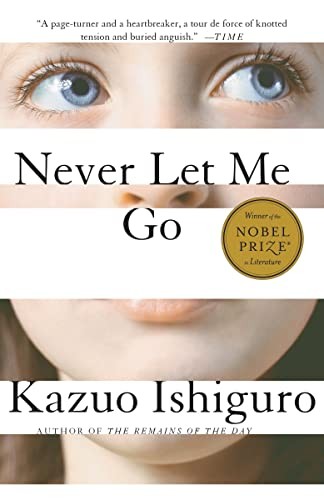
Kathy H. narrates this in this level, almost conversational tone, telling you about Hailsham and her friends Ruth and Tommy the way you’d tell someone about your own school, and it takes a while, longer than I expected, before you understand what Hailsham actually is and what these kids are actually for. Ishiguro reveals it at the pace the characters themselves came to understand it, which is a strange trick to pull off and I’m still not sure how he did it.
The premise is the kind of thing that sounds unbearable summarized in a sentence, and is somehow more unbearable delivered slowly, in this understated way, no one raging against their situation, no dramatic escape attempt, just Kathy quietly cataloguing small memories like they’re the only thing she actually owns. That restraint is the whole engine of the book. A louder version of this story would have been easier to read and much worse.
The donations, the carers, art therapy as a way of proving you have a soul worth anything, none of it gets explained outright, it just accumulates until you realize you’ve understood the whole horrifying machinery of it without ever being told directly. I watched the film adaptation with my sister partway through my first read and it followed the plot closely enough that for a stretch it flattened the book into something merely sad instead of the thing this actually is, which is closer to grief with no object.
Not a lot of incident happens, plotwise, if you’re counting. A very cerebral book in that sense. But it invokes something that a plottier version of the same idea wouldn’t have gotten near, and I think that’s why I keep recommending it with a warning attached: it is sad and beautiful and it will sit in you for a while after you close it.